Vietnam Currency and Payment guided
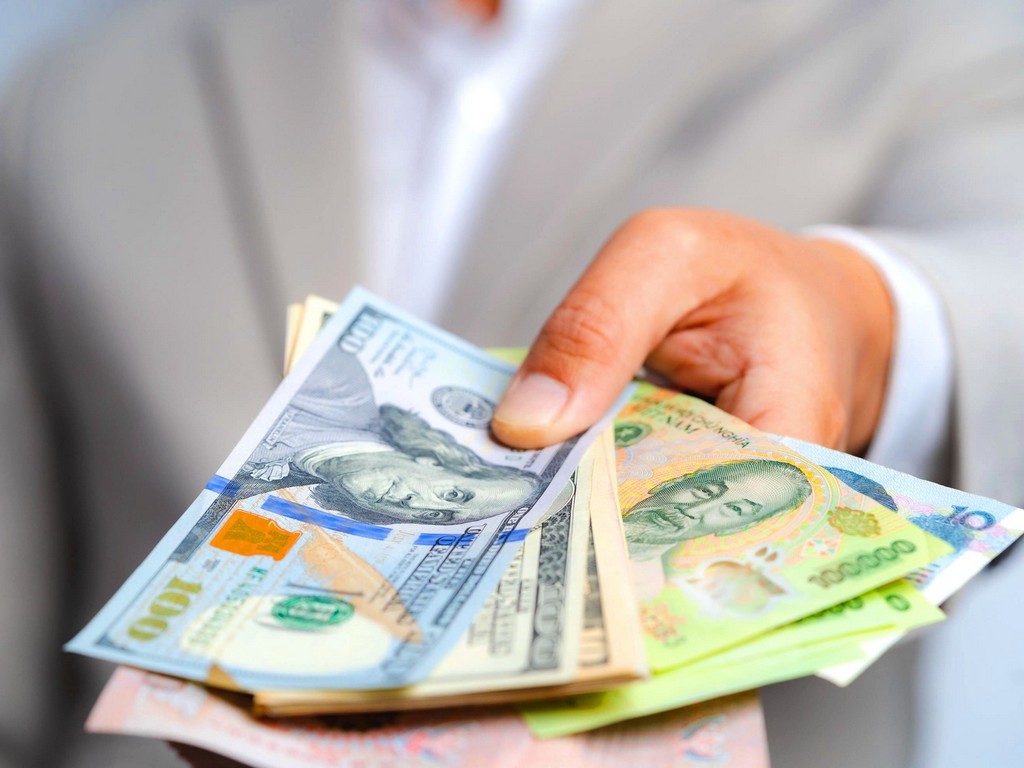
Vietnam's official currency is the Vietnamese đồng (VND), with the symbol ₫. If you are planning a trip to Vietnam, it is helpful to understand the local currency, exchange rates, and payment options. Vietnamese banknotes have many zeros, so travelers should check the amount carefully before making payments to avoid mistakes.
Vietnamese banknotes commonly used today include 1,000, 2,000, 5,000, 10,000, 20,000, 50,000, 100,000, 200,000, and 500,000 VND. Smaller notes and coins also exist but are rarely used. Most prices in Vietnam are shown in Vietnamese đồng, including food, drinks, transportation, entrance fees, and shopping. Today, many Vietnamese people also pay by bank transfer or QR code using their smartphones, especially in major cities.
US Dollar to Vietnamese Đồng Exchange Rate
The US dollar (USD) is one of the most commonly exchanged foreign currencies in Vietnam. International travelers can exchange US dollars for Vietnamese đồng at banks, licensed money exchange counters, and international airports. Exchange rates change daily, so it is a good idea to check the latest rate before exchanging money.
Example exchange rate:
US$1 ≈ 25,825 VND
This is an example rate, not a live exchange rate. Actual rates at banks and exchange counters may be different.
Where to Exchange Money in Vietnam
Travelers can exchange foreign currency at banks and licensed exchange counters in major cities such as Ho Chi Minh City, Hanoi, Da Nang, and Hoi An. Money exchange services are also available at international airports, although the exchange rates may not be as good as those in the city.
Before exchanging money, compare the rates, choose a trusted and licensed exchange service, and keep your receipt.
Cash, Credit Cards, and ATMs in Vietnam
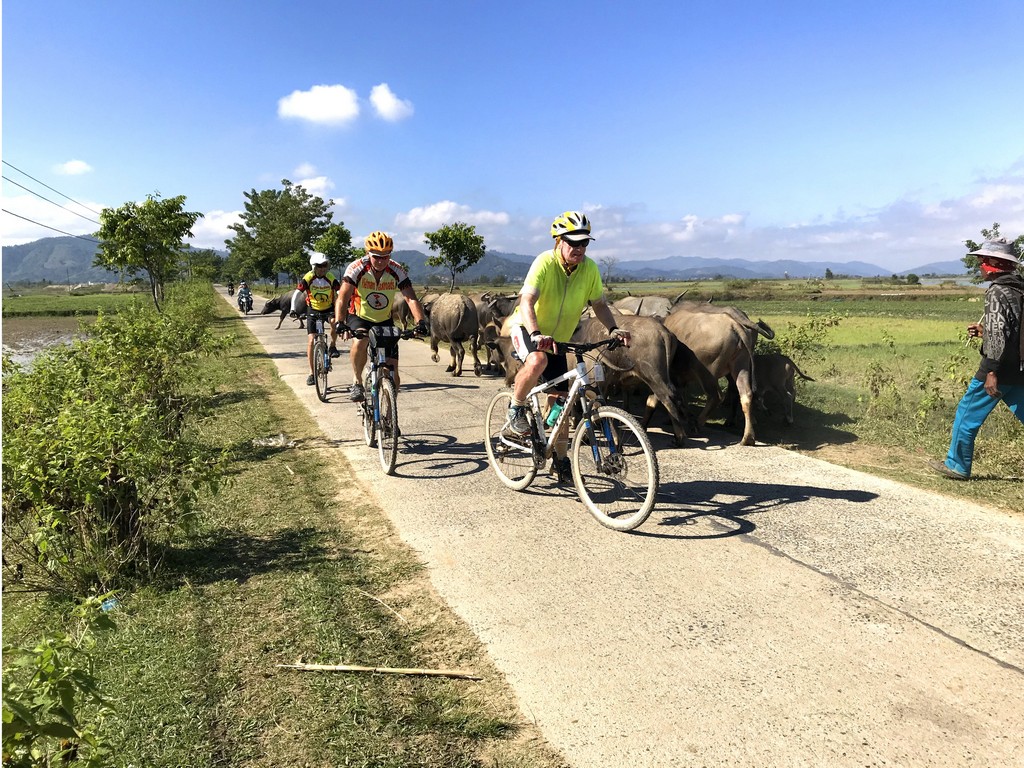
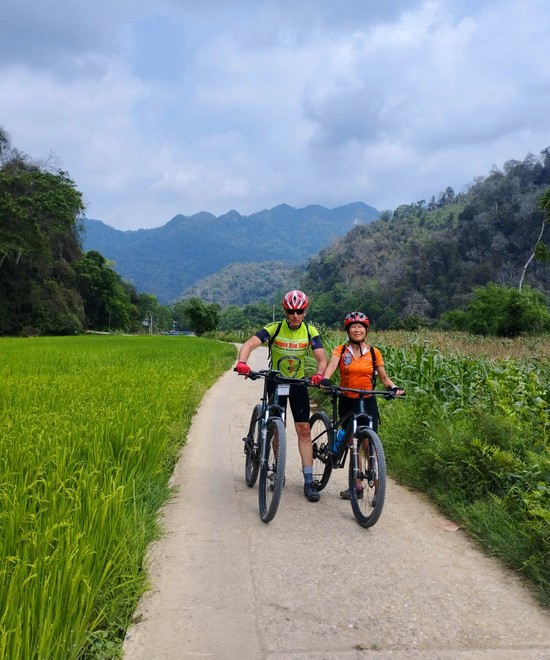
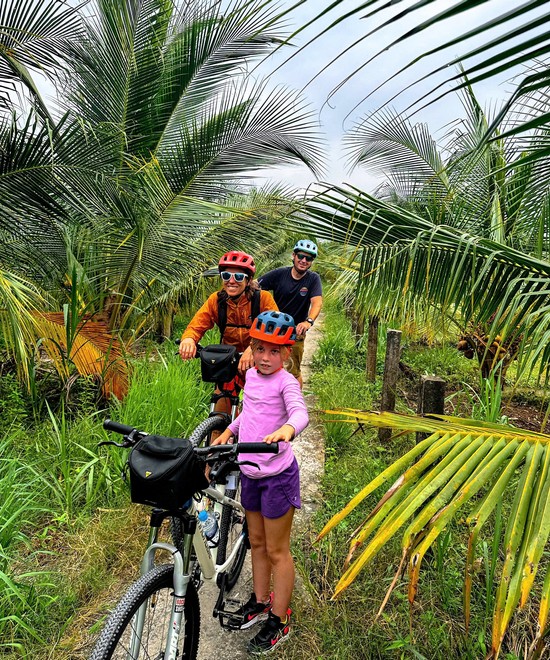
Cash is still useful when traveling in Vietnam, especially in rural villages, local markets, small restaurants, and countryside areas. International credit and debit cards, including Visa and Mastercard, are accepted at many hotels, larger restaurants, shopping malls, and tourist businesses. ATMs are easy to find in major cities and popular tourist destinations. However, if you are joining a Vietnam cycling tour or adventure trip through remote areas, it is best to carry enough Vietnamese đồng for drinks, snacks, souvenirs, and other personal expenses.
Useful Money Tips for International Travelers
Carry small banknotes: Notes of 10,000, 20,000, 50,000, and 100,000 VND are useful for everyday purchases.
Check your banknotes carefully: The 20,000 VND and 500,000 VND notes have similar blue colors. The 10,000 VND and 200,000 VND notes also have somewhat similar colors, so always check the numbers before paying.
Exchange money at trusted places: Use banks or licensed money exchange counters.
Keep some cash with you: Cash is helpful when cycling through rural villages, visiting local markets, or buying small items in the city.
Check ATM fees: Your bank and the local ATM may charge withdrawal or foreign transaction fees.
Pay in Vietnamese đồng: Do not expect local shops, restaurants, or markets to accept US dollars.
Quick Vietnamese Đồng to US Dollar Guide
Here are some approximate values based on the example exchange rate of US$1 = 25,855 VND.
| Vietnamese Đồng (VND) | US Dollar (USD) |
|---|---|
| 20,000 VND | US$0.77 |
| 50,000 VND | US$1.94 |
| 100,000 VND | US$3.87 |
| 200,000 VND | US$7.74 |
| 500,000 VND | US$19.36 |
These amounts are for reference only. Actual values depend on the current exchange rate.
Our Travel Tip for Vietnam Cycling Tours
Before starting your Vietnam cycling tour, exchange a small amount of US dollars or your home currency into Vietnamese đồng for personal expenses along the way. Having some local cash makes it easier to buy a cold drink at a roadside shop, enjoy local food, visit countryside markets, and support small family-run businesses.
- Log in to post comments